
Tree Service Long Island NY
Tree Removal, Tree Trimming and Emergency Tree Service
Across Nassau and Suffolk County
Professional tree care protects your home, improves safety, and keeps your property
looking its best. Clovis Outdoor Services provides expert tree removal, trimming, stump
grinding and emergency tree service throughout Long Island.
A Trusted Tree Company Serving Long Island
Homeowners across Nassau County and Suffolk County rely on Clovis Outdoor Services for safe and professional tree care.
Licensed and insured professionals
Professional equipment and bucket trucks
Fast emergency response after storms
Complete cleanup after every job
Locally trusted tree service company
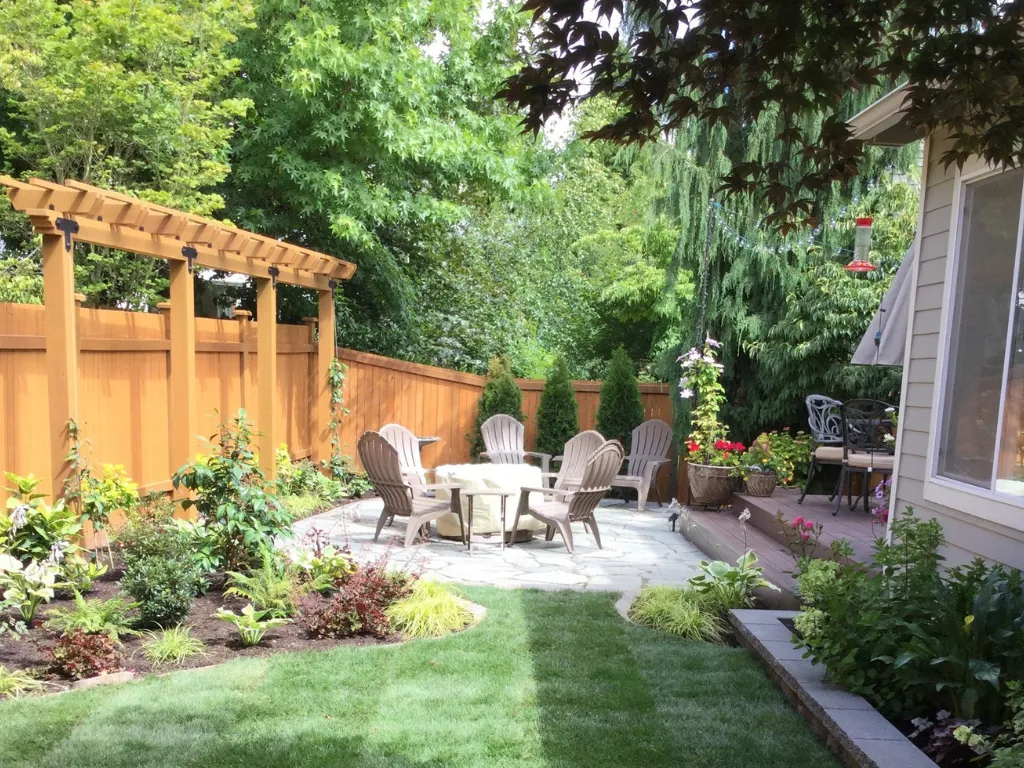
Professional Tree Services in Long Island NY

Tree
Removal
Dead, diseased or hazardous trees can pose serious risks to your home and property. Our experienced crew safely removes trees of all sizes while protecting nearby structures and landscaping.

Tree Trimming &
Pruning
Proper trimming keeps trees healthy and prevents dangerous branches from threatening your home. Our team provides expert pruning to improve both safety and appearance.
Stump
Grinding
Old tree stumps can attract pests and create hazards in your yard. Our stump grinding service removes unsightly stumps and restores your landscape.

Emergency Tree
Services
Storm damage can leave trees unstable and dangerous. Our emergency tree service team responds quickly to remove fallen trees and dangerous limbs.
Tree Cabling &
Bracing
Old tree stumps can attract pests and create hazards in your yard. Our stump grinding service removes unsightly stumps and restores your landscape.

Insect & Disease
Management
Eco-friendly treatments to protect trees and shrubs from pests and diseases—ensuring a healthy, thriving landscape.

Seasonal Risk Assessment & Maintenance
Seasonal inspections and preventative care to identify risks early, maintain tree health, and prepare your property year-round.
Tree Service Throughout Long Island
Clovis Outdoor Services proudly serves homeowners and businesses throughout
Long Island with professional tree removal, trimming and emergency services.
We regularly provide tree service in:
East Hampton NY
Suffolk County NY
Each community has unique tree care needs, and our team understands 1
the local conditions, regulations and seasonal challenges across Long Island.
See Why Long Island Homeowners Trust Clovis Outdoor Services
Our customers consistently recommend our team for safe tree removal, professional service and reliable results.
Tree Care Tips and Local Landscaping Advice
Stay informed with helpful tips about tree health, seasonal maintenance and property safety from our team.
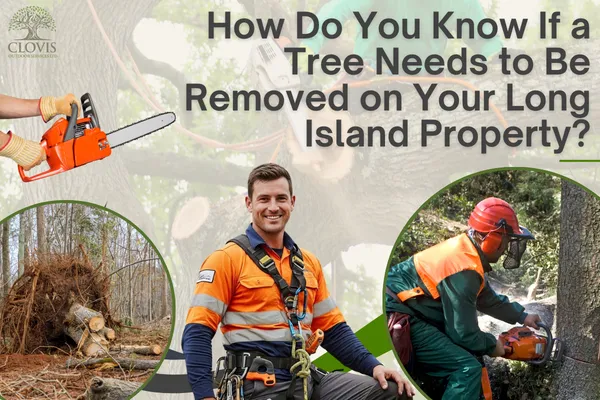
How Do You Know If a Tree Needs to Be Removed on Your Long Island Property?
Trees are one of the most valuable features of any property. They provide shade, improve curb appeal, support wildlife, and can even increase property value. However, not every tree remains healthy or structurally safe forever. Storm damage, disease, root failure, and age can turn a once-beautiful tree into a serious safety risk.
One of the most common questions homeowners ask is simple: how do you know when a tree needs to be removed?
In many cases, the warning signs appear long before a tree fails. Recognizing those signs early can prevent costly damage to your home, vehicles, fences, or neighboring properties. It can also reduce the risk of injury.
In this guide, our arborists explain the most common signs a tree may need removal, when pruning or treatment may still help, and why professional evaluation is the safest way to make the decision.
About the Author: Clovis Outdoor Services is a licensed, insured, and TCIA-accredited tree and landscape company based in Stony Brook, NY. With over 15 years of experience, our team of ISA-certified arborists specializes in tree removal, pruning, stump grinding, landscape design, and eco-friendly pest control across Long Island.
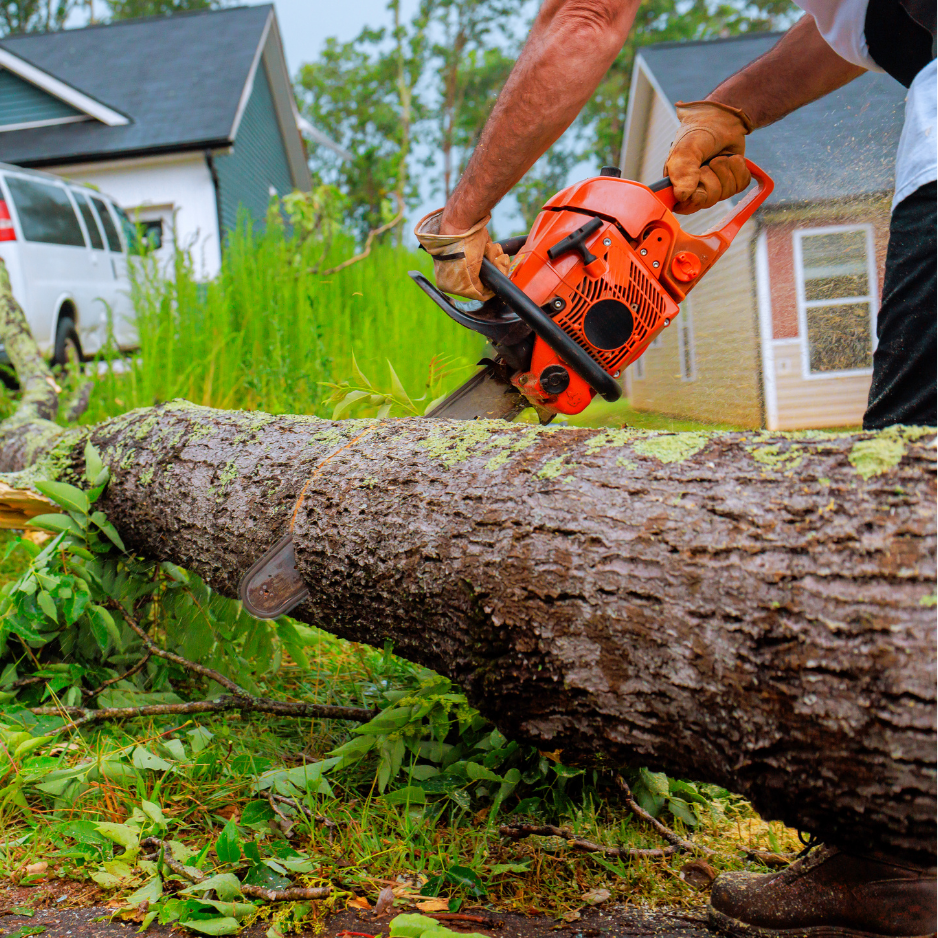
Why Tree Removal Sometimes Becomes Necessary
Tree removal is usually a last resort. In many situations, proper pruning, disease treatment, cabling, or soil improvements can extend the life of a tree.
However, removal becomes necessary when a tree is:
Structurally unsafe
Severely diseased
Dead or dying
Interfering with structures
A risk during storms
A compromised tree can fail suddenly, especially during high winds, heavy rain, or snow. On Long Island, coastal storms and strong seasonal weather patterns make weakened trees particularly dangerous.
Understanding the warning signs helps property owners make proactive decisions before damage occurs.
1. The Tree Is Dead or Showing Severe Decline
The most obvious reason for removal is when a tree is dead.
Dead trees become brittle and unstable over time. Branches break easily, and the trunk structure weakens as internal decay progresses.
Common signs of a dead or dying tree include:
No leaves during the growing season
Brittle branches that snap easily
Bark falling off in large sections
Fungal growth on the trunk
Large areas of dead limbs in the canopy
Some trees decline gradually over several years. When more than 50 percent of the canopy is dead or failing, recovery is unlikely and removal is usually recommended.
Dead trees should be removed as soon as possible, especially if they are near homes, driveways, power lines, or walkways.
2. The Tree Is Leaning Suddenly
Many trees naturally grow with a slight lean. This alone is not always dangerous.
However, a sudden lean can indicate serious structural problems.
Warning signs include:
A tree that recently began leaning
Soil heaving or lifting near the roots
Visible root exposure
Cracks in the ground around the base
These symptoms may mean the root system is failing. If the roots cannot anchor the tree, it may fall unexpectedly.
Trees that lean toward homes, garages, patios, or neighboring properties should be evaluated immediately by an arborist.
3. Large Cracks or Splits in the Trunk
The trunk is the central support structure of the tree. When it develops large cracks, the structural integrity of the entire tree is compromised.
Common structural defects include:
Vertical trunk cracks
Deep splits
Multiple trunks with weak connections
Cavities or hollow sections
These defects can cause trees to split during windstorms or under the weight of heavy branches.
While cabling and bracing can sometimes stabilize trees with minor structural issues, severe trunk damage often requires removal.
4. Major Storm Damage
Long Island storms frequently cause tree damage through strong winds, lightning, and heavy precipitation.
After a storm, trees may suffer:
Broken main branches
Split trunks
Root damage
Partial uprooting
Some trees can recover with corrective pruning and structural support. Others become unstable and dangerous.
Signs storm damage may require removal include:
More than half of the canopy destroyed
Large limbs torn from the trunk
The tree leaning after the storm
Visible root plate movement
A professional storm inspection helps determine whether the tree can be saved or should be removed.
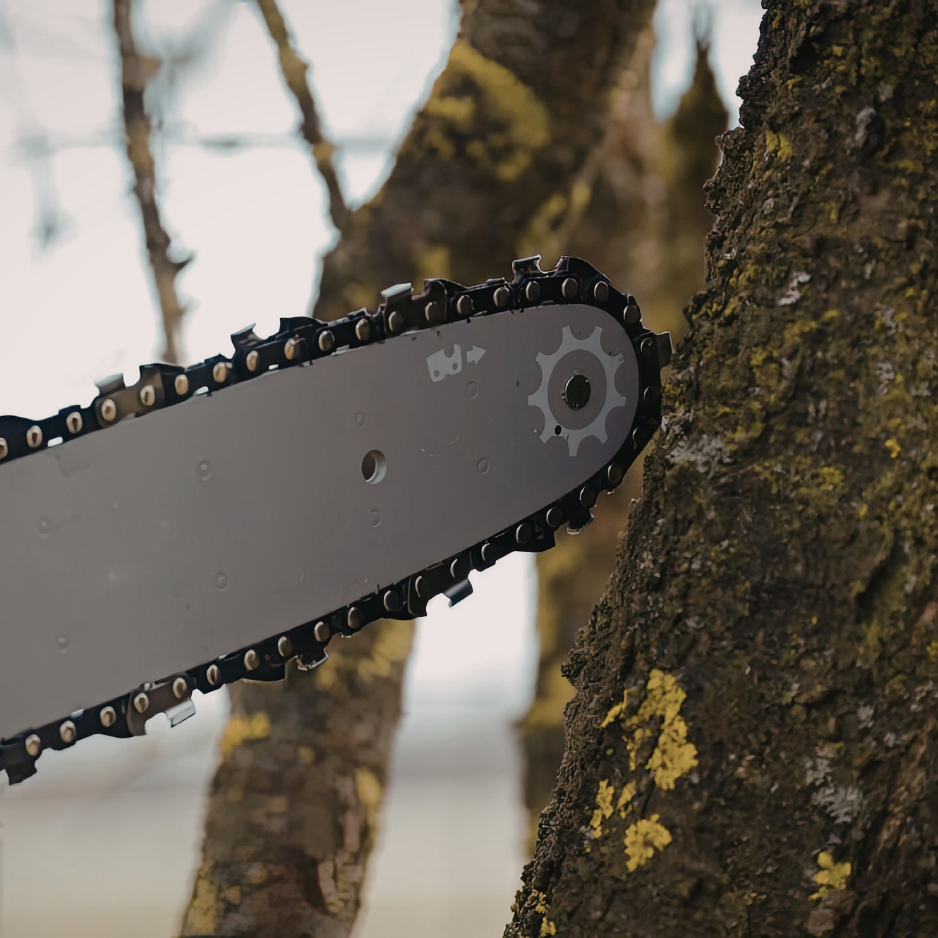
5. Disease or Severe Pest Infestation
Tree diseases and insect infestations can weaken internal structures over time.
Common issues affecting Long Island trees include:
Fungal root rot
Canker diseases
Wood-boring insects
Leaf diseases that weaken the canopy
Some diseases can be treated if caught early. Others spread rapidly and eventually kill the tree.
Signs of serious disease may include:
Mushrooms growing near the base
Oozing sap or unusual lesions
Rapid leaf loss
Discolored or wilting foliage
Bark abnormalities
An arborist can determine whether treatment is possible or if removal is the safest option.
6. The Tree Is Too Close to Structures
Sometimes a tree may be healthy but still pose a risk due to its location.
Trees growing too close to structures can cause problems such as:
Roof damage from overhanging limbs
Foundation pressure from large roots
Blocked sunlight and poor airflow
Interference with power lines
Large mature trees planted too close to homes may eventually require removal to prevent long term property damage.
Strategic tree replacement with properly spaced plantings is often the best long term solution.
7. Root Damage or Construction Impact
Tree roots are essential for stability and nutrient absorption. Damage to the root system can weaken a tree even if the canopy appears healthy.
Root damage may occur during:
Driveway installation
Excavation
Utility trenching
Soil compaction from heavy equipment
Warning signs of root damage include:
Sudden leaf drop
Reduced canopy growth
Leaning
Dead branches appearing in the upper canopy
Trees with severe root loss may become unstable and require removal.
8. Large Dead Branches in the Canopy
Dead branches are more than an aesthetic issue. They can fall without warning.
Large dead limbs are especially dangerous when they hang over:
Homes
Driveways
Play areas
Sidewalks
Outdoor seating areas
In some cases, targeted pruning can remove dead branches and preserve the tree.
However, if deadwood appears throughout the canopy or continues spreading, the tree may be in decline.
9. The Tree Is Hollow
A hollow trunk does not automatically mean a tree must be removed. Some trees can survive with partial hollows.
However, when hollow areas become extensive, the tree loses structural strength.
If more than one third of the trunk diameter is hollow, the risk of failure increases significantly.
Professional arborists often use specialized tools to assess internal decay before recommending removal.
10. The Tree Poses a Liability Risk
Sometimes the biggest concern is not the tree itself, but what it could damage if it falls.
High risk trees are those located near:
Homes
Garages
Fences
Public roads
Neighboring properties
Utility lines
Even a moderately compromised tree can become a serious liability if it falls in one of these areas.
Proactive removal can prevent expensive insurance claims and property damage.
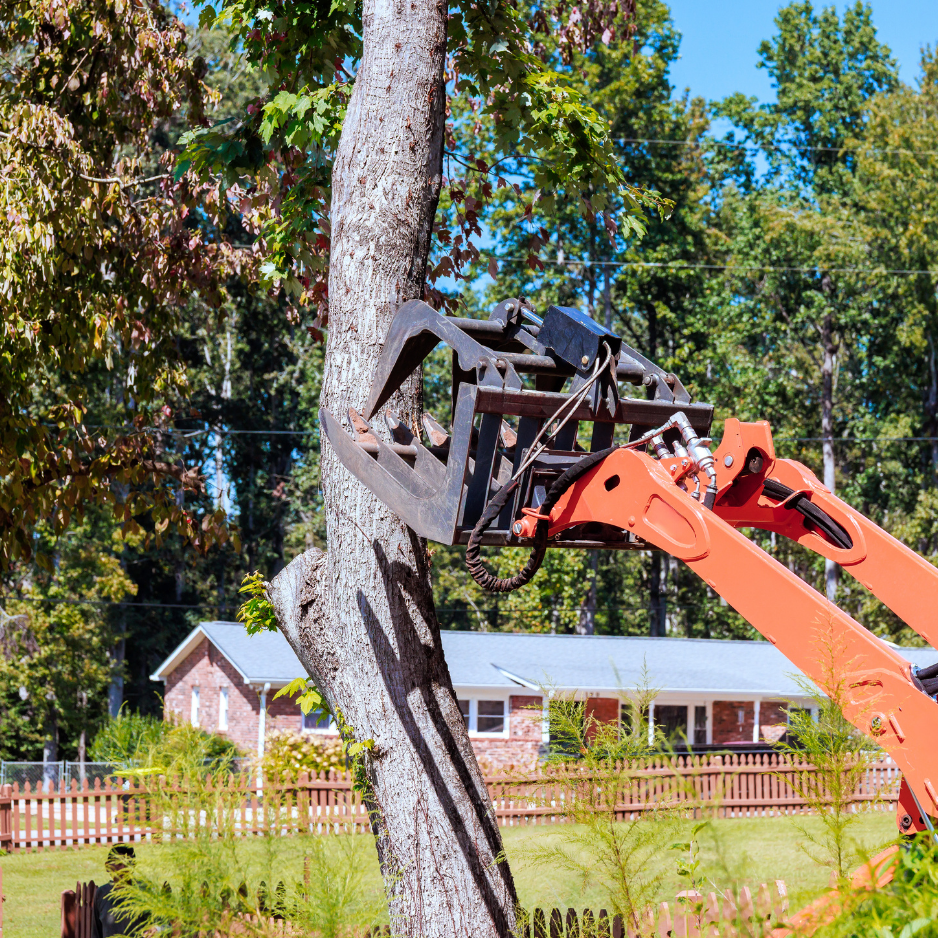
Why Professional Tree Inspections Matter
Many tree issues are not visible to the untrained eye. Arborists are trained to evaluate tree health, structural integrity, and environmental stress factors.
A professional tree assessment may include:
Visual canopy inspection
Root collar examination
Structural analysis
Disease and pest identification
Risk assessment for nearby structures
In some cases, pruning, cabling, or treatment may solve the problem without removing the tree.
In others, removal is the safest course of action.
Working with certified professionals ensures the decision is based on science, safety, and long term landscape health.
The Importance of Safe Tree Removal
Tree removal is one of the most dangerous tasks in landscape work.
Large trees require specialized equipment, controlled cutting techniques, and careful planning to avoid damage to surrounding structures.
Professional crews use:
Rigging systems
Cranes when necessary
Controlled section removal
Safety gear and climbing systems
Proper debris cleanup
Attempting to remove large trees without professional training can result in severe injury or property damage.
What Happens After a Tree Is Removed
Once a tree is removed, homeowners often choose to complete the process with stump grinding.
Stump grinding eliminates the visible stump and prevents issues such as:
Trip hazards
Pest infestations
Unwanted regrowth
Obstructed landscaping
Removing the stump also allows the area to be replanted, landscaped, or reseeded.
Many property owners take this opportunity to plant new trees better suited to the space.
Preventing Future Tree Problems
While some tree issues are unavoidable, proper care can reduce the likelihood of dangerous tree conditions.
Preventive measures include:
Routine tree pruning
Annual arborist inspections
Soil health management
Pest and disease monitoring
Storm preparation assessments
Healthy trees are more resilient to storms, pests, and environmental stress.
Regular maintenance protects both the landscape and the surrounding property.
When to Schedule a Tree Evaluation
If you notice any of the following signs, it is best to schedule a professional inspection:
Sudden leaning
Large dead branches
Visible trunk cracks
Root damage
Fungal growth near the base
Rapid canopy decline
Storm damage
Early evaluation allows homeowners to make informed decisions before problems become emergencies.
Final Thoughts
Trees are one of the most valuable elements of a landscape, but safety must always come first. Recognizing the warning signs of tree failure helps protect your home, your family, and your property.
Dead trees, structural damage, root failure, and severe disease are all indicators that removal may be necessary. In many cases, early professional evaluation can determine whether a tree can be preserved or should be safely removed.
If you are unsure about the condition of a tree on your property, the best step is to have it inspected by experienced arborists who understand the unique conditions affecting Long Island landscapes.
To schedule a tree evaluation or request a free estimate, visit clovisoutdoors.com.

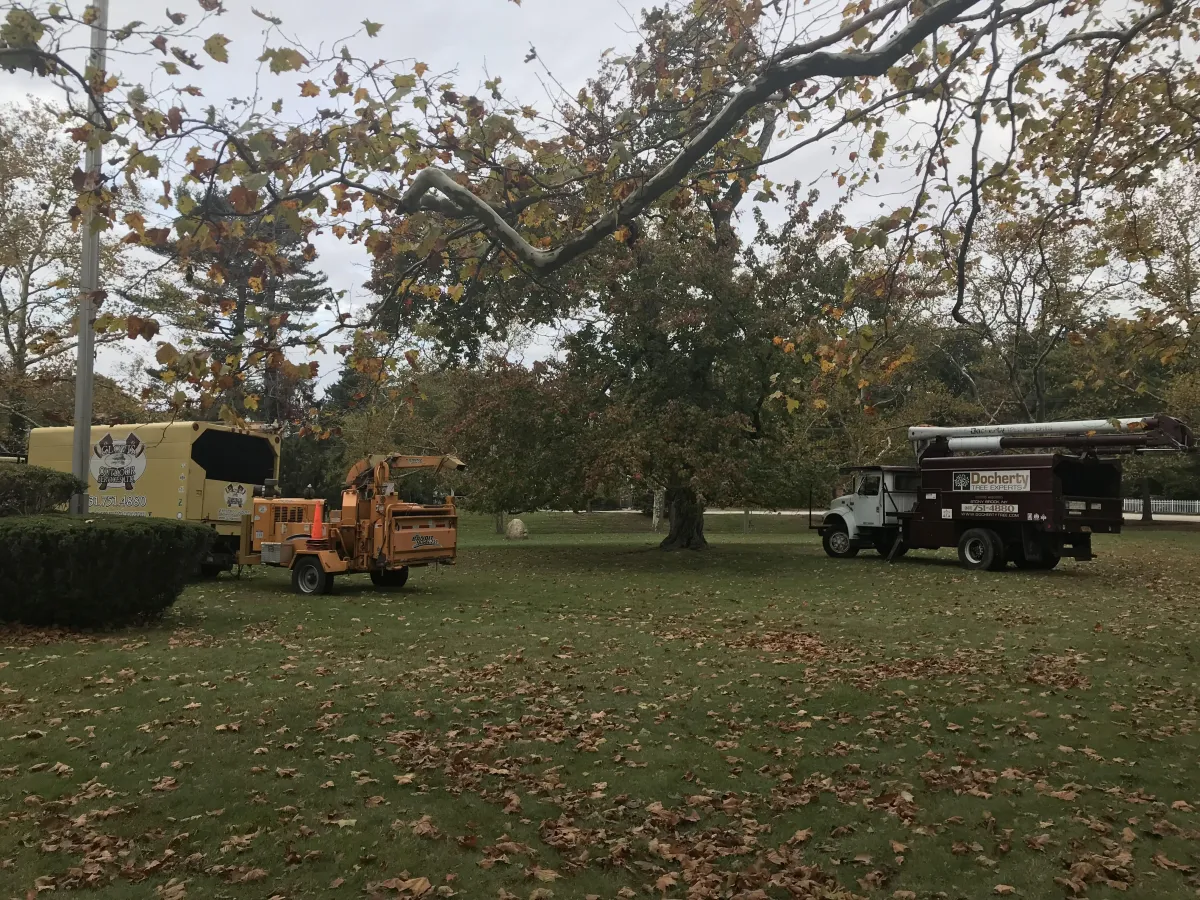
Why Choose Clovis Outdoor Services
Tree work requires experience, precision and the right equipment. Our team focuses on safety, reliability and professional results for every project.
Experienced tree removal specialists
Modern equipment for safe removals
Fast storm response
Local Long Island experts
Complete job site cleanup
Why Choose Clovis Outdoor?
ISA-Certified Arborists
Locally Owned and Operated
Fully Licensed & Insured
Transparent Pricing and Free Estimates
Emergency Response Available
Why Choose Clovis Outdoor?
ISA-Certified Arborists
Locally Owned and Operated
Fully Licensed & Insured
Transparent Pricing and Free Estimates
Emergency Response Available
Tree Service Questions Long Island Homeowners Ask
How much does tree removal cost in Long Island NY?
Tree removal costs vary depending on the size, location and complexity of the tree. Smaller trees may cost a few hundred dollars while larger or hazardous removals can cost more due to the equipment and safety precautions required.
Do I need a permit to remove a tree on Long Island?
Some towns in Nassau County and Suffolk County require permits for removing certain protected trees. Our team can help homeowners understand local regulations before starting a project.
When should trees be trimmed in Long Island?
Late winter and early spring are often the best times for trimming many trees. However, dangerous branches should always be removed immediately to prevent damage or injury.
Do you offer emergency tree removal?
Yes. Clovis Outdoor Services provides emergency tree removal after storms or when trees become hazardous.
Get a Free Tree Service Estimate in Long Island NY
If you need professional tree removal, trimming or emergency tree service, our experienced team is ready to help.

CONTACT US
FOLLOW US


SERVICES
HOURS
INFO

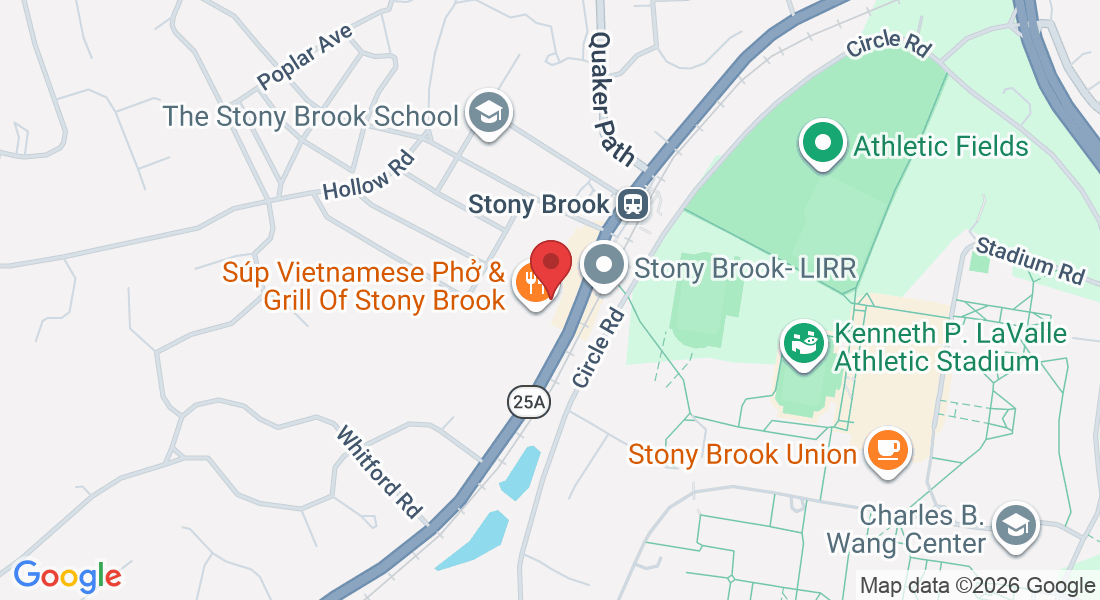
1099 N Country Rd
Stony Brook, NY 11790
United States
CONTACT US
FOLLOW US


SERVICES
LOCATIONS
HOURS
INFO
© 2026 Clovis Outdoor. All rights reserved.
Powered by Tree Care AI